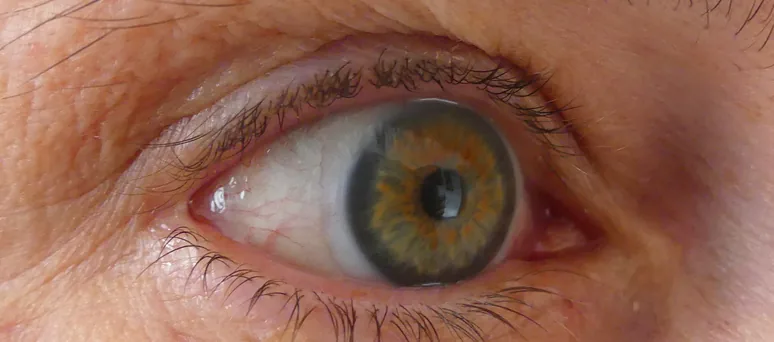
Myopia means nearsightedness. A child with myopia can usually see close objects more clearly than distant ones. MiSight 1 day is a prescription, single-use soft contact lens. The FDA approved it for defined groups of children to correct myopia and slow its progression.
Unique Eye Care and Optical includes MiSight in its childhood myopia information. Call to confirm current availability and the right appointment type. An exam must come before any product decision.
Our office is on Bissonnet in Houston. Request an appointment, or call (713) 522-2007.
General soft contact lens image. The lens shown is not identified as a MiSight lens.
Why myopia care is more than reading an eye chart
Myopia changes how the eye focuses light. Distance vision becomes blurry, while near work may stay clear. A glasses or contact lens prescription can correct the blur. Myopia management asks a second question: is there an appropriate way to slow how quickly the prescription and eye growth change while a child grows?
That second question needs an eye doctor. A parent cannot answer it from a product page, an old prescription, or a school screening. The doctor needs current measurements and an eye health exam. The doctor also needs to know whether a child can use contact lenses safely and reliably.
MiSight questions belong inside the broader kids and myopia care path. The product name is not the starting diagnosis. The exam, measurements, and family discussion come first.
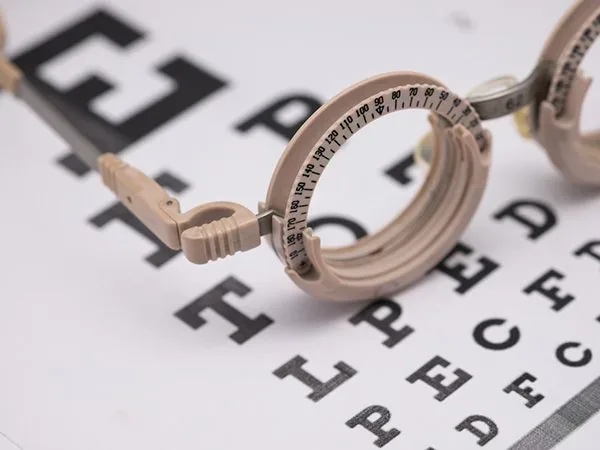
A trial frame is one tool used during vision testing. It does not determine MiSight fit by itself.
What MiSight 1 day is
MiSight 1 day is the product name for an omafilcon A soft contact lens. It is worn during the day and discarded after each removal. It is available by prescription. The lens has zones designed to correct distance vision and create an optical effect used in myopia control.
The FDA approval record for MiSight 1 day states that the lens is indicated for children with non-diseased eyes who meet defined age, prescription, and astigmatism criteria when treatment starts. Those details are product-label boundaries, not a checklist for parents to use alone. The doctor must confirm the current label and examine the child.
The FDA approval is based on group results. Those results cannot predict one child's outcome. The useful decision is whether the product fits this child's eyes, prescription, habits, and ability to handle a daily contact lens.
What a childhood myopia visit may cover
A myopia visit may include a vision history, distance and near testing, a refraction to measure the prescription, and an eye health exam. The doctor may take other measurements when useful. Exact tests depend on the child and the clinical findings.
Bring the child's current glasses and contact lens information. Bring a list of medicines and relevant eye history. Tell the team about past contact lens use, allergies, sports, school routines, and how much support an adult can provide at home.
The doctor should explain the options in plain language and connect them to the child's measurements. Ask which myopia options are currently available at Unique and why one may fit better than another.
Contact lens readiness matters
A contact lens must fit the eye, provide useful vision, and be handled safely. The child and parent need to understand insertion, removal, clean hands, wear time, and when to remove the lens and call.
MiSight 1 day is single use and is discarded after removal. A fresh lens is used for the next wear period. Readiness is not only age. Ask the team to watch the child handle a lens before home use.
How follow-up supports a real plan
A myopia plan needs follow-up because vision, prescription, eye health, lens fit, and wearing habits can change. Ask what the doctor will measure and what would cause the plan to change.
Pain, marked redness, light sensitivity, discharge, or a sudden vision change should not wait for a routine visit. Remove the lens and contact the eye doctor for instructions. MiSight does not cure myopia or remove the need for glasses in every situation.
Questions parents can bring
Use the visit to understand the decision, not only the brand. Ask the doctor to connect each recommendation to the child's measurements and daily routine.
What does today's exam show about my child's myopia?
Does the current MiSight label fit the age, prescription, eye health, and astigmatism findings?
What other options should we compare, and why?
Can my child insert and remove the lens safely?
What wear and replacement rules apply?
What will you measure at follow-up, and what would make us change plans?
Which symptoms require us to remove the lens and call?
Visit Unique in Houston
Unique Eye Care and Optical is at 2431 Bissonnet St. in Houston. Use the location page to plan the visit. You can also read about pediatric exams and myopia care, meet the doctor, or book a visit.
What to confirm when you call
Ask whether MiSight is currently available at Unique and which appointment your child needs. An exam and contact lens evaluation come before a prescription. The doctor must confirm the current product label, clinical fit, and exact follow-up process.
Questions people ask
What is MiSight?
MiSight 1 day is a prescription, single-use soft contact lens. The FDA approved it for correcting myopia and slowing progression in children who meet defined starting criteria.
What age can a child start MiSight?
The FDA label names a starting age range and other clinical criteria. Age alone is not enough. The doctor must confirm prescription, astigmatism, eye health, contact lens fit, and readiness.
Does MiSight cure myopia?
No. This page does not describe MiSight as a cure. It corrects myopic vision while worn and is labeled to slow progression for eligible children. Results differ.
Does my child still need an eye exam?
Yes. A current exam and contact lens evaluation are part of deciding whether any prescription lens is appropriate.
 (713) 522-2007