 (713) 522-2007

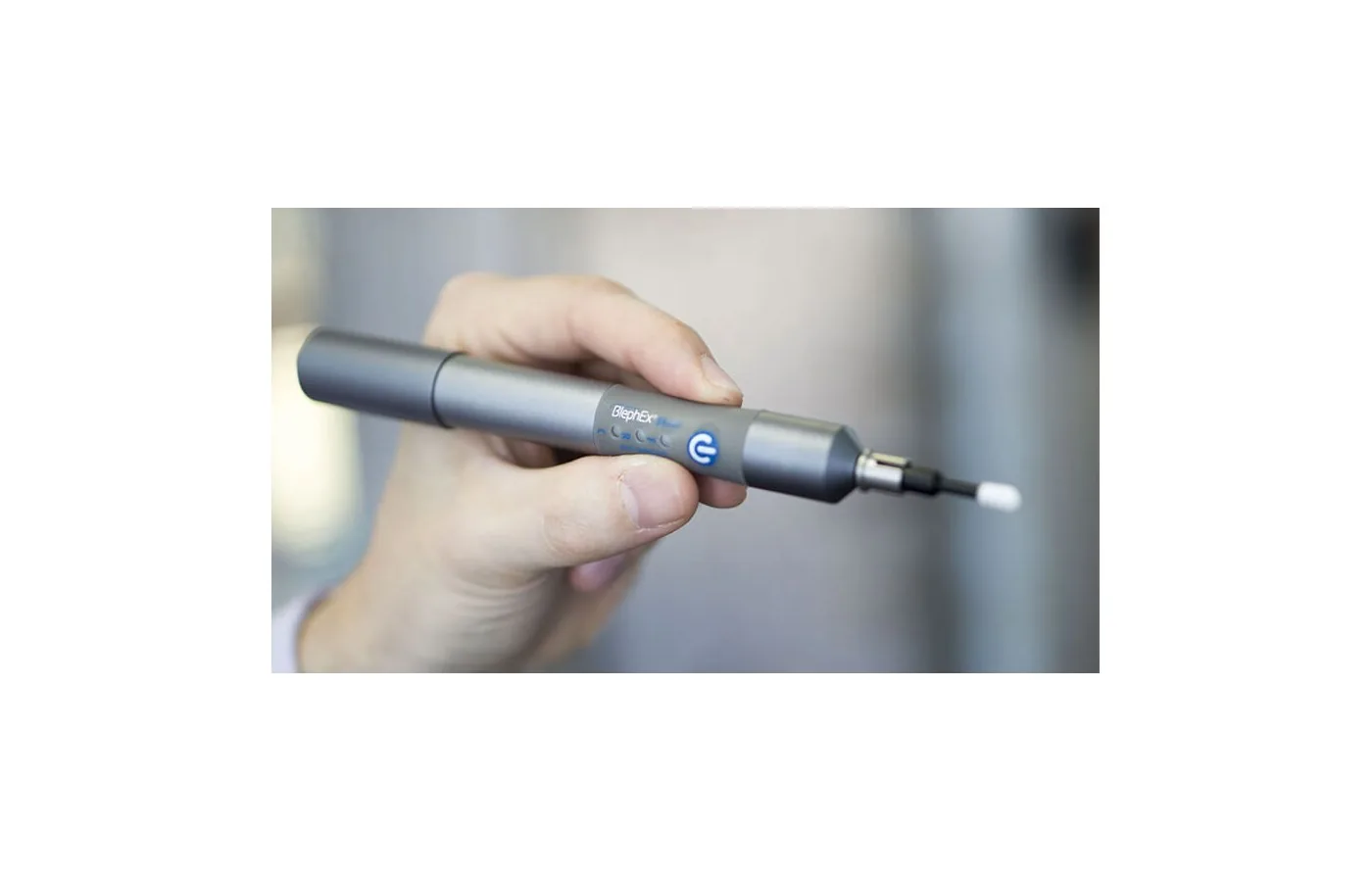
Artificial tears can provide temporary relief from burning, irritation, and gritty eyes, but chronic dry eye often requires a closer look at what is causing the problem. At Unique Eye Care and Optical, we offer Low-Level Light Therapy (LLLT) in Houston as an advanced, non-invasive option for patients whose dry eye symptoms may be linked to inflammation and poor meibomian gland function.
Why Chronic Dry Eye May Need More Than Eye Drops
A healthy tear film contains water, mucus, and an important oily layer produced by the meibomian glands along the eyelids. When these glands become blocked or do not release enough healthy oil, tears can evaporate too quickly. This condition is known as meibomian gland dysfunction, or MGD, and it is a common contributor to evaporative dry eye.
Lubricating eye drops may temporarily add moisture to the surface of the eyes, but they do not necessarily address problems within the eyelids or meibomian glands. That is why patients with recurring symptoms may benefit from a comprehensive dry eye evaluation and treatments that target contributing factors more directly.
How Low-Level Light Therapy Works
Low-Level Light Therapy uses specific wavelengths of light applied around the eyelids. The light stimulates cellular activity and is designed to help reduce inflammation while supporting healthier meibomian gland function.
By addressing inflammation and gland function, LLLT can help improve the quality and stability of the tear film. Treatment is non-invasive and does not require injections or incisions. Sessions are also relatively brief, making LLLT a convenient option for many Houston patients seeking advanced dry eye care.
Signs Your Dry Eye May Need Advanced Treatment
Persistent symptoms can signal that your dry eye needs more than occasional artificial tears. Common concerns include:
- Burning, stinging, or gritty sensations
- Red or irritated eyes
- Excessive or watery tearing
- Fluctuating or blurry vision
- Discomfort when wearing contact lenses
- Eye fatigue during prolonged screen use
If these symptoms continue despite using eye drops or making environmental changes, an eye exam can help determine whether MGD, blepharitis, inflammation, or another condition is contributing to the problem.
Who May Benefit From LLLT for Dry Eye?
LLLT may be considered for patients with chronic dry eye associated with meibomian gland dysfunction or eyelid inflammation. Because dry eye can have several different causes, we first evaluate the health of your eyes, tear film, and eyelids before recommending treatment.
Your individual dry eye treatment plan may depend on the severity of your symptoms, underlying gland function, lifestyle, and previous treatments. The goal is not simply to mask discomfort but to identify and manage the factors contributing to recurring dry eye.
Advanced Dry Eye Care in Houston
Living with chronic dry eye can interfere with reading, computer work, contact lens wear, and everyday comfort. Low-Level Light Therapy gives us another way to address dry eye beyond temporary lubrication by focusing on inflammation and meibomian gland health.
Schedule your dry eye evaluation with Unique Eye Care and Optical to learn whether Low-Level Light Therapy may be right for you. Contact our office in Houston, TX, by calling (713) 522-2007 to book an appointment.